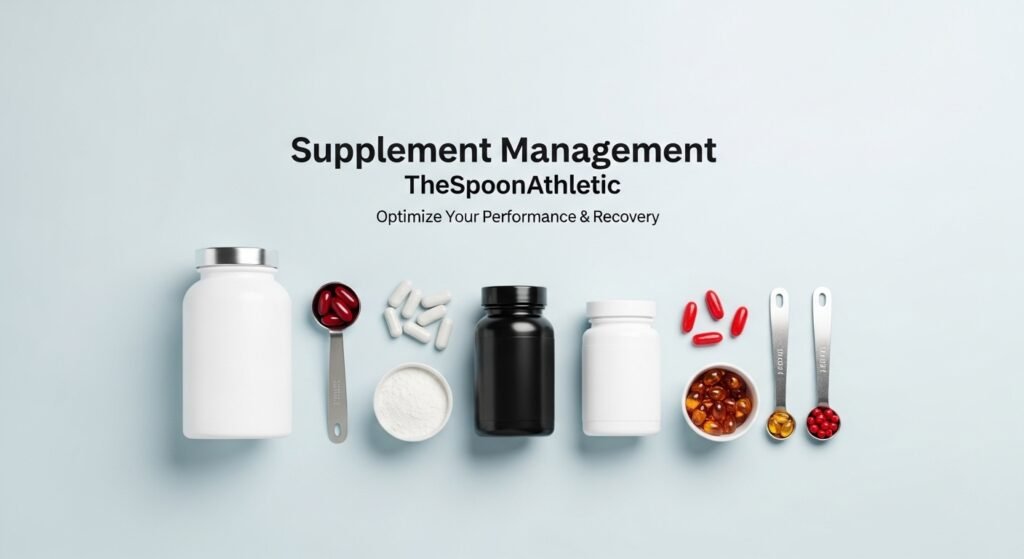

Supplementation has become a core part of modern sports nutrition, especially for athletes aiming to improve performance, endurance, and recovery. The concept of supplement management thespoonathletic focuses on structured, science-based use of supplements rather than random consumption. It helps athletes understand what their body truly needs and how to support training outcomes effectively.
In today’s competitive sports environment, nutrition alone is often not enough to meet high physical demands. Supplement management thespoonathletic provides a balanced approach where supplements are used strategically alongside diet and training. This ensures energy levels, muscle recovery, and immunity remain optimal throughout intense athletic routines.
Importance of structured supplement management in athletics
Structured supplement planning is essential because unregulated intake can lead to imbalance or inefficiency. Many athletes take multiple products without understanding absorption, dosage, or interaction, which reduces effectiveness. A proper system ensures every supplement serves a purpose aligned with performance goals.
The supplement management thespoonathletic approach emphasizes discipline, timing, and scientific validation. Instead of guesswork, athletes rely on evidence-based choices that support recovery, strength, and endurance. This reduces health risks while maximizing physical output during training and competition cycles.
Principles behind thespoonathletic system for athletes
The thespoonathletic system is built on clarity, consistency, and customization. Every athlete has different nutritional needs depending on body type, sport, and intensity level. This system helps identify deficiencies and match them with suitable supplements for maximum benefit.
Another key principle in supplement management thespoonathletic is balance. Over-supplementation is avoided by focusing on essential nutrients first. The goal is to enhance natural performance rather than replace proper diet. This makes the system sustainable and safe for long-term athletic development.
Essential supplements for athletic performance and recovery
Athletes often rely on a few core supplements that have strong scientific backing. Creatine is widely used for strength and power, while protein supports muscle repair and growth. Vitamin D3 plays a major role in immunity and bone strength, especially for indoor athletes.
Omega-3 fatty acids are important for reducing inflammation and improving recovery speed. In supplement management thespoonathletic, probiotics are also included to improve digestion and nutrient absorption. These essential supplements work together to build a strong foundation for athletic performance.
Timing and dosage strategies in supplement management thespoonathletic
Timing plays a crucial role in how effectively supplements work in the body. Pre-workout supplements are designed to boost energy and focus, while post-workout nutrition supports recovery and muscle repair. Incorrect timing can reduce effectiveness even if the supplement quality is high.
Dosage control is equally important in supplement management thespoonathletic. Minerals such as calcium, magnesium, and zinc should not be taken together due to absorption competition. Proper scheduling ensures each nutrient is absorbed efficiently, maximizing benefits without unnecessary waste or side effects.
Safety and quality control in sports supplementation
Safety is a major concern in the sports supplement industry because not all products are tested equally. Contaminated or low-quality supplements can harm performance and health. Athletes must choose certified brands that follow strict manufacturing standards.
Supplement management thespoonathletic encourages athletes to verify product authenticity and consult professionals before starting any regimen. Dietitians and sports physicians help ensure supplements do not interfere with health conditions or medications, making the approach safer and more reliable.
Supplement stacking strategies for improved results
Supplement stacking refers to combining different supplements to achieve better results. However, improper stacking can lead to inefficiency or negative interactions. A well-planned system ensures that each supplement complements the other without overlap or conflict.
In supplement management thespoonathletic, stacking is based on performance goals such as strength, endurance, or recovery. For example, creatine may be paired with protein for muscle growth, while omega-3 supports inflammation control. The key is maintaining balance and avoiding unnecessary combinations.
Performance goals and tailored supplementation approaches
Different athletes have different performance objectives, and supplementation must reflect those goals. Strength athletes focus on muscle growth and power, while endurance athletes prioritize stamina and oxygen efficiency. Each category requires a unique supplement strategy.
The supplement management thespoonathletic model allows customization based on sport type and training intensity. This ensures athletes receive targeted nutritional support rather than a generic supplement routine. Personalized planning improves results and reduces the risk of nutrient imbalance.
Building a personalized supplement plan effectively
Creating a personalized plan starts with assessing dietary intake and identifying nutritional gaps. Athletes must first understand what their regular diet provides before adding supplements. This prevents unnecessary consumption and ensures efficiency.
Supplement management thespoonathletic encourages tracking progress over time. Adjustments are made based on performance results, recovery speed, and overall health. This dynamic approach ensures the supplement plan evolves with the athlete’s changing needs and training intensity.
Common mistakes in supplement usage among athletes
One of the most common mistakes athletes make is over-reliance on supplements instead of focusing on diet. Supplements are designed to support nutrition, not replace whole foods. Ignoring this balance often leads to poor long-term results.
Another mistake in supplement management thespoonathletic is inconsistent usage. Many athletes stop and start supplements randomly, which reduces effectiveness. Consistency is essential for nutrients to build up and produce visible performance benefits over time.
Future trends in sports supplementation and athletic nutrition
The future of sports nutrition is becoming more personalized and data-driven. Advances in biotechnology and wearable health tracking allow athletes to understand their nutritional needs more accurately than ever before. This leads to smarter supplementation strategies.
Supplement management thespoonathletic is expected to evolve with AI-based nutrition planning and genetic analysis. These technologies will help athletes fine-tune their diets and supplement intake for maximum efficiency, safety, and performance enhancement.
Conclusion
Effective supplementation is not about taking more products but about taking the right products at the right time. A structured approach ensures athletes achieve better performance, faster recovery, and improved long-term health. Discipline and knowledge are key to success.
The supplement management thespoonathletic system provides a clear framework for athletes to follow. It combines science, timing, and personalization to create a sustainable nutrition strategy. When applied correctly, it becomes a powerful tool for athletic excellence and consistent performance improvement.
FAQs
What is supplement management thespoonathletic?
It is a structured approach to sports supplementation that focuses on evidence-based selection, timing, and personalization for improved athletic performance and recovery.
Which supplements are most important for athletes?
Common essential supplements include creatine, protein, vitamin D3, omega-3 fatty acids, and probiotics for overall performance and health support.
Is supplement timing really important?
Yes, timing affects absorption and effectiveness. Pre-workout and post-workout supplements serve different purposes and should be taken accordingly.
Can supplements replace a healthy diet?
No, supplements are designed to support nutrition, not replace whole foods. A balanced diet remains the foundation of athletic health.
Are sports supplements safe for long-term use?
They are generally safe when used correctly and under professional guidance. Quality and dosage control are essential for safety.
How does thespoonathletic improve performance?
It improves performance by optimizing nutrient intake, supporting recovery, and ensuring athletes use scientifically backed supplement strategies.